Why Buying a Mixer Grinder Is More Confusing Than It Should Be
Walk into any online store and search for a mixer grinder. You will immediately find dozens of options — different wattages, different jar counts, different blade types, and wildly different prices. Furthermore, most product descriptions are filled with technical jargon that means very little to the average buyer.
Consequently, most people end up either overspending on features they will never use or buying a machine that struggles after just six months of daily cooking. However, choosing the right mixer grinder is actually quite straightforward once you understand what actually matters.
This guide breaks everything down — wattage, jar types, blade quality, brand reliability, and budget ranges — in simple, clear language. Subsequently, by the time you finish reading, you will know exactly which type of mixer grinder suits your kitchen and your cooking habits. Thus, no more guesswork, no more regret after purchase.
🍹 The Core Rule of Mixer Grinder Buying: More wattage does not always mean better performance. Furthermore, more jars does not always mean more value. The right mixer grinder is the one that matches your actual cooking frequency and family size — not the one with the most impressive-sounding specifications on the box.
Wattage — The Single Most Important Number
Wattage determines how powerful your mixer grinder is. Moreover, it directly affects how well the machine handles tough ingredients like dried spices, coconut, and hard dals.
However, many buyers make the mistake of assuming the highest wattage is always the best. Conversely, an unnecessarily powerful motor in a small kitchen with light daily use is wasteful and louder than needed.
Therefore, matching wattage to your actual cooking habits is the most important decision in this entire buying process.
Which Wattage Should You Choose?
If you cook basic Indian food for 2–3 people daily, a 750W mixer grinder is the right choice. It handles everyday grinding without straining the motor.
Furthermore, if you make idli-dosa batter regularly, grind coconut frequently, or cook for more than 4 people, choose 900W or above. The motor handles sustained heavy loads much better.
However, if you mostly make smoothies and juices and cook minimal dry spices, a 500W model is sufficient and costs significantly less. Consequently, you save money without compromising on your actual cooking needs.
Ultimately, wattage should match your cooking frequency — not your kitchen size or counter space.
How Many Jars Do You Actually Need?
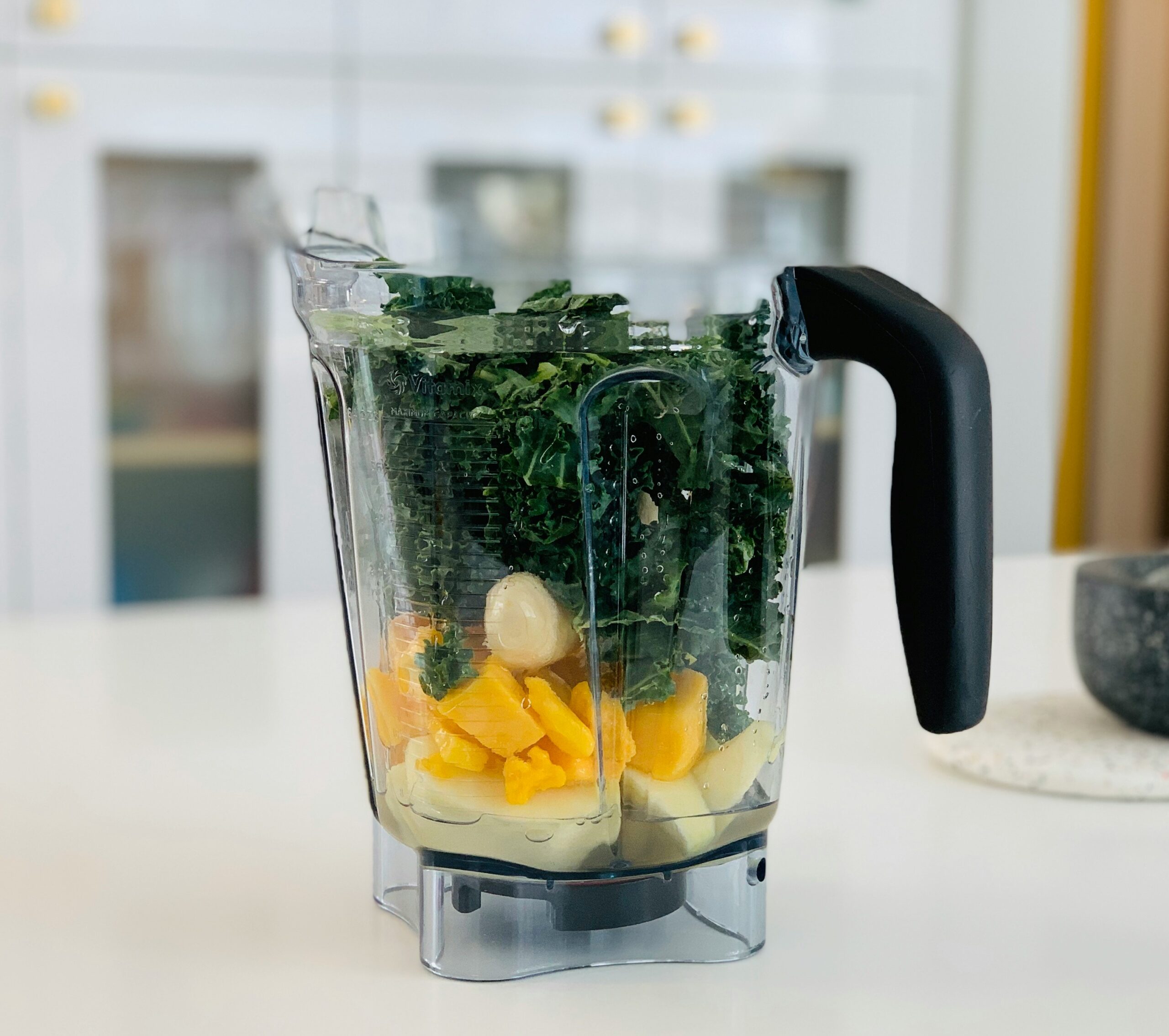
Most mixer grinders come with 2, 3, or 4 jars. However, more jars does not automatically mean better value. Each jar serves a specific purpose — and understanding that helps you avoid buying jars you will never use.
🫙 The 4 Jar Types Explained
Dry Grinding Jar (Large — 1 to 1.5 litres): This is for grinding whole spices, powdering sugar, and making masalas. Furthermore, the blade angle in a dry jar is specifically designed for grinding without adding water. Most households use this jar the most.
Wet Grinding Jar (Medium — 0.75 to 1 litre): Designed for making chutneys, batters, and coconut-based gravies with water. Moreover, the blade in this jar is wider and sits lower to handle liquids efficiently. This is the second most used jar in Indian kitchens.
Chutney Jar (Small — 0.3 to 0.5 litres): Ideal for making small quantities of mint chutney, garlic paste, and ginger-garlic combinations. However, many cooks simply use the wet jar for this purpose instead — so this jar is sometimes redundant.
Juicer / Blending Jar (Extra Large — 1.5 to 2 litres): Found in premium models. Furthermore, it handles smoothies, lassi, and large quantities of juice. Conversely, if you already own a separate juicer, this jar adds no real value to your purchase.
Therefore, a 3-jar mixer grinder covers the needs of most Indian kitchens completely. Ultimately, the fourth jar is a bonus — useful occasionally but rarely essential for everyday cooking.
Blade Quality — What to Look For
The blade is the part that does all the actual work. Therefore, blade quality directly determines grinding fineness, speed, and long-term durability of the machine.
However, most budget mixer grinders use stainless steel blades that look identical at first glance. The difference lies in blade thickness, angle, and the quality of the steel used.
🔪 Blade Guide — What Matters and What Does Not
Stainless Steel Grade: Look for 304-grade stainless steel blades. Moreover, this is the food-safe grade that resists corrosion and does not rust even after years of use with wet ingredients. Cheaper blades use lower-grade steel that deteriorates faster.
Blade Count: Most jars come with 4-blade or 6-blade configurations. Furthermore, 6-blade jars grind more evenly and are better for ultra-fine grinding of spices. However, 4-blade jars are sufficient for most everyday Indian cooking tasks.
Fixed vs Removable Blades: Removable blades are easier to clean. Conversely, fixed blades are more durable because there is no joint that can loosen over time. Therefore, choose based on how frequently you clean your appliances thoroughly.
Blade Sharpness After Use: Blades dull over time with regular use. Subsequently, brands like Preethi and Philips sell replacement blade sets, which extends the usable life of the mixer grinder significantly. Ultimately, a machine from a brand that offers spare parts is a smarter long-term investment.
Top Mixer Grinder Brands in India — Compared Honestly
The brand you choose affects long-term reliability, spare part availability, and after-sales service quality. Moreover, a ₹500 difference in price between two brands can translate into thousands of rupees saved or spent in service costs over five years of daily use.
Therefore, understanding what each major brand offers — and where they fall short — is critical before making a final decision.
| Brand | Best For | Price Range | Warranty | Service Network | Verdict |
|---|---|---|---|---|---|
| Preethi ⭐ Most Trusted |
Heavy daily use, South Indian cooking | ₹3,000–₹8,000 | 2 years + motor | Excellent | Best long-term choice |
| Philips 🏆 Best Build |
Premium quality, all kitchen types | ₹3,500–₹9,000 | 2 years | Excellent | Best build quality overall |
| Bajaj 💰 Best Budget |
Budget buyers, light-medium use | ₹1,500–₹4,000 | 2 years | Very Good | Best value under ₹3,000 |
| Butterfly | South Indian batters, heavy grinding | ₹2,500–₹6,000 | 2 years | Good (South focused) | Excellent for batter making |
| Sujata ⚡ Powerful |
1000W+ heavy use kitchens | ₹4,000–₹8,000 | 5 years motor | Good | Best motor warranty |
| Bosch | Premium segment, silent operation | ₹6,000–₹12,000 | 2 years | Limited cities | Quietest motor available |
1. Preethi Blue Leaf Diamond — Best Mixer Grinder for Indian Kitchens
The Preethi Blue Leaf Diamond is consistently rated one of the most reliable mixer grinders available. Furthermore, it has been a household staple across South and North Indian kitchens for over a decade. Consequently, it has one of the strongest track records for long-term motor durability in its price range.
Preethi Blue Leaf Diamond MG-139
⭐ Best Overall 2026The Preethi Blue Leaf Diamond runs a 750W motor that handles everyday Indian cooking without any strain. Furthermore, the three-speed control with pulse function gives you precise control over grinding texture — from coarse to ultra-fine.
Three jars cover wet grinding, dry grinding, and chutney making completely. Moreover, the jars are heavy-duty and leak-proof — a common weakness in cheaper alternatives. Consequently, spills and mess during grinding are virtually eliminated.
Preethi has one of the widest service networks in the country. Therefore, spare parts, blade replacements, and motor repairs are accessible even in Tier 2 and Tier 3 cities. Ultimately, this is the most sensible long-term investment for any serious Indian kitchen.
✅ Pros
- 750W — handles all Indian cooking
- 3 speed + pulse — precise control
- Leak-proof heavy jars
- Widest service network available
- Spare parts easily available
- Proven long-term motor reliability
❌ Cons
- Slightly louder than premium models
- No overload protection indicator
- Heavier than compact alternatives
2. Bajaj Rex 500W — Best Mixer Grinder Under ₹2000
Not every kitchen needs a premium machine. Conversely, not every buyer should compromise on quality just to save money. The Bajaj Rex strikes the right balance — offering reliable everyday performance at a price that most households can afford without hesitation.
Bajaj Rex 500W Mixer Grinder
💰 Best Budget PickThe Bajaj Rex handles everyday light to medium grinding tasks reliably. Furthermore, built-in overload protection prevents motor burnout — a feature that most mixer grinders at this price point do not include. Consequently, the motor lasts significantly longer than unprotected alternatives.
Three stainless steel jars cover the essential grinding needs of a small family. Moreover, Bajaj’s widespread service network means warranty support is easy to access almost anywhere in the country. However, heavy grinding tasks like hard dal or coconut will strain this 500W motor over time.
Subsequently, this machine performs best for households that do light-to-moderate cooking — chutneys, smoothies, and occasional masala grinding. Ultimately, for the price, it is one of the most trustworthy budget mixer grinders available in 2026.
✅ Pros
- Under ₹1,800 — most affordable here
- Overload protection — rare at this price
- Trusted Bajaj brand reliability
- 3 jars — covers daily basics
- Wide service network
- Compact and lightweight
❌ Cons
- 500W — not for heavy daily grinding
- No pulse function
- Jars feel lighter than premium models
Looking for more useful tools? Check out our best kitchen accessories for modern kitchens to upgrade your cooking experience.
3. Philips HL7701 750W — Best Premium Mixer Grinder Under ₹5000
Philips makes appliances that consistently outlast their warranty period. Furthermore, the HL7701 features a ProBlend motor technology that reduces heat buildup during prolonged grinding — which is the main cause of motor failure in cheaper machines.

Philips HL7701 750W Mixer Grinder
🏆 Best Premium BuildThe Philips HL7701 uses ProBlend technology to create a vortex action inside the jar. Consequently, ingredients are pulled toward the blades continuously — resulting in smoother, finer grinding compared to standard blade configurations.
The ABS body feels noticeably more solid than budget alternatives. Moreover, the jars are heavier and better balanced, which reduces vibration and noise during operation. Furthermore, the stainless steel blades are among the sharpest available in this price range.
However, Philips commands a premium price compared to brands like Bajaj and Butterfly. Conversely, the build quality and motor longevity justify that premium for buyers who plan to use the machine daily for years. Ultimately, this is the mixer grinder to buy if you want a machine that simply works flawlessly for the next decade.
✅ Pros
- ProBlend motor — finer grinding results
- Premium ABS body — very solid feel
- Heavy, well-balanced jars
- Sharper blades than competitors
- Philips global quality standards
- Excellent resale and spare parts
❌ Cons
- Pricier than Indian brands
- Service centres mainly in cities
- Heavier — less portable
4. Sujata Dynamix 900W — Best for Large Families and Heavy Cooking
Sujata makes mixer grinders specifically for heavy-duty Indian cooking. Furthermore, the Dynamix 900W model comes with a 5-year motor warranty — the longest motor warranty in this entire guide. Consequently, it is the most confident statement any brand makes about their motor quality.

Sujata Dynamix 900W Mixer Grinder
⚡ Best for Heavy UseThe Sujata Dynamix 900W motor handles the most demanding grinding tasks without slowing down. Furthermore, it maintains consistent RPM even during sustained grinding sessions — which is essential for making perfectly smooth idli batter and fine masala powders.
The 5-year motor warranty is the standout feature. Moreover, Sujata backs this claim with a proven track record of motors running well beyond the warranty period in many households. However, the machine comes with only 2 jars — so buyers who need a dedicated chutney jar will need to purchase it separately.
Meanwhile, the heavy-duty build means this machine is significantly heavier than standard models. Subsequently, placing it on a stable, strong kitchen counter is important. Ultimately, for families who cook two to three full meals daily and need a machine that will last 10+ years without any complaints, the Sujata Dynamix is the best answer.
✅ Pros
- 900W — handles everything effortlessly
- 5-year motor warranty — longest here
- Consistent RPM under heavy load
- Extremely durable build
- Proven long-term reliability
- Best for daily heavy cooking
❌ Cons
- Only 2 jars — no chutney jar
- Very heavy — not portable
- Limited colour options
Which Mixer Grinder Should You Buy? — Our Final Pick
After covering all the factors and reviewing the top machines, one mixer grinder stands out as the best all-round recommendation for most households in 2026.
Winner: Preethi Blue Leaf Diamond — Best for Most Kitchens
The Preethi Blue Leaf Diamond covers everything — 750W motor for everyday Indian cooking, 3 well-designed jars, 3 speed control with pulse, and the widest service network available. Furthermore, Preethi’s track record for motor durability is one of the strongest among Indian appliance brands. Consequently, this machine handles everything from morning coconut chutney to evening masala grinding without any strain. Ultimately, it is the safest, most balanced purchase for the largest number of Indian households across all cooking styles.
🛒 Check Latest Price on Amazon →Safety Features — Never Ignore These
Safety features are frequently overlooked in the excitement of comparing wattage and jar counts. However, they matter enormously — especially in households with children and elderly members.
🛡️ Key Safety Features to Check Before Buying
Overload Protection: This automatically cuts off the motor when it overheats or is under excessive load. Furthermore, it is the single most important safety feature in a mixer grinder. Consequently, always verify that overload protection is explicitly mentioned in the product specifications before purchasing.
Lid Lock Mechanism: A proper lid lock prevents the jar lid from flying off during high-speed grinding. Moreover, a loose lid can cause hot liquid or ground spices to spray outward — a genuine safety hazard. Therefore, always test the lid lock before use, even on new machines.
Jar Interlock System: This prevents the motor from running unless the jar is properly fitted in place. Subsequently, this eliminates the risk of accidentally starting the machine without a jar attached. Ultimately, this feature is standard on most mid-range and premium machines — but absent on many cheap models.
Anti-Slip Feet: Rubber feet prevent the machine from sliding across the counter during operation. Furthermore, a mixer grinder that moves during use is both noisy and potentially dangerous. Conversely, a machine with firm rubber feet stays completely stable even during aggressive grinding.
Shock-Proof Body: Look for an ABS or polycarbonate body construction. Moreover, these materials are both impact-resistant and electrically insulating — which adds an important layer of safety during use.
How Much Should You Spend on a Mixer Grinder?
The right budget depends entirely on how often you cook and what you cook. Furthermore, spending more than your usage justifies is wasteful, while spending too little leads to frequent replacement costs.
💰 Budget Ranges Explained
Under ₹2,000 — Light Use Households: Brands like Bajaj and Inalsa offer reliable 500W machines at this price. However, expect the motor to struggle under daily heavy grinding. Moreover, jar quality is typically lower. Conversely, for small families with light cooking needs, these machines genuinely do the job well.
₹2,000 to ₹4,000 — The Sweet Spot: This is where the best value lives. Furthermore, brands like Preethi, Butterfly, and Havells offer 750W machines with 3 quality jars at this price. Consequently, this budget range covers the needs of most Indian households — from daily chutneys to weekly masala grinding — without any performance compromise.
₹4,000 to ₹7,000 — Premium Performance: Philips, Sujata, and premium Preethi models occupy this range. Moreover, you get better blade quality, stronger motors, and superior jar construction. Therefore, this budget makes sense for households that cook three full meals daily or grind tough ingredients like coconut and hard dals frequently.
Above ₹7,000 — Professional Grade: Brands like Bosch and high-end Sujata models offer near-silent operation, ultra-durable construction, and extended warranties. However, these features are genuinely necessary only in commercial or semi-commercial kitchen settings. Subsequently, most home kitchens are better served by spending that money elsewhere.
🛒 Pro Tip — When to Buy for Best Price
Mixer grinders see their biggest discounts during Amazon Great Indian Festival, Flipkart Big Billion Days, and Diwali sales. Furthermore, Republic Day and Independence Day sales also bring significant price drops on kitchen appliances. Therefore, if your current machine is still working but aging, plan your purchase around these sale events to save ₹500–₹1,500 on the same model.
Final Verdict — Match Your Kitchen to the Right Machine
Here is the clearest summary of which mixer grinder suits which type of household. Choose based on your actual cooking frequency and family size — not on what looks impressive on the shelf.
Thus, the right mixer grinder is simply the one that matches your cooking habits honestly. Furthermore, buying based on your actual kitchen needs — rather than marketing claims — will save you money and frustration. Ultimately, any of the four machines above will serve its intended purpose reliably for years to come.